
Yoga & Pilates
“Depending on your fitness goals, you may choose to practice yoga or Pilates exclusively, or
include them both in your workout regimen. While there are certainly differences between
yoga and Pilates, they complement each other well and are both low impact workouts that
can be practiced either in a class setting or in the comfort of your own home.”
Yoga & Pilates
“Depending on your fitness goals, you may choose to practice yoga or Pilates
exclusively, or include them both in your workout regimen. While there are certainly
differences between yoga and Pilates, they complement each other well and are both
low impact workouts that can be practiced either in a class setting or in the comfort
of your own home.”
Yoga & Pilates
“Depending on your fitness goals, you may choose to practice yoga or Pilates exclusively, or include them both in your workout regimen. While there are certainly differences between yoga and Pilates, they complement each other well and are both low impact workouts that can be practiced either in a class setting or in the comfort of your own home.”
What is Pilates?
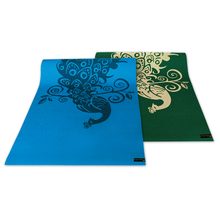
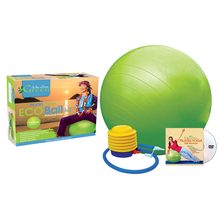
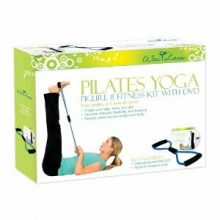
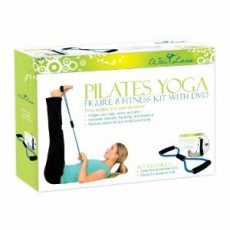
Derived from ancient yoga asanas, the Pilates exercise system was developed by Joseph Pilates over 80 years ago. Practiced for decades by dancers, Pilates has become very popular in recent years. Although Pilates works the entire body, the primary focus is on the core muscles (abs, lower back, and stabilizing muscles). Pilates exercise machines (such as the “Reformer”) can add a weight training element to the workout, with very precise and fluid movements, making it safer than most weight training. But expensive Pilates machines are by no means required to get an effective workout. All you need is a yoga and Pilates mat (which is thicker than a standard yoga mat) and some basic resistance tools. To allow you to reap the benefits of Pilates in your own home (and on your own time), Wai Lana offers a complete line of Pilates Yoga resistance products (with instructional DVDs).
Why practice Pilates?
Pilates is very beneficial for strengthening muscles without shortening them or bulking up. In fact, dedicated Pilates practitioners are known for their long, lean look. Furthermore, the core strength you develop can be applied to many other activities to achieve “effort with ease” (a Pilates slogan). Pilates improves balance and overall strength, stabilizes and lengthens the spine, improves posture, and can help prevent injuries and aid in injury rehabilitation.
What is yoga?
While some people think of yoga simply as physical exercise, it is actually a complete, holistic system for overall health and well-being. Having been practiced for thousands of years, yoga includes everything from physical postures (asanas), personal hygiene, and a healthy diet to premeditation, breathing, and relaxation techniques. The most advanced forms of meditation and self-realization are also a part of yoga.
Why practice yoga exercises?
When it comes to achieving both physical and mental well-being, yoga exercises are by far the most effective and time-tested practices known to mankind. Yoga asanas effectively strengthen and tone the body, increase flexibility, improve balance, and relieve stress. However, the most significant benefits of yoga asanas come from their profound effects on the internal systems of the body. By bending, stretching, twisting, and flexing in the various postures, you bathe your internal organs with oxygenated blood and prana, also known as “life force energy” or “chi.” Yoga asanas soothe and tone the nerves and regulate the endocrine system, which is responsible for the production of hormones—one of the keys to both physical and mental health. They also improve digestion and elimination, strengthen the respiratory system, and tone the reproductive organs.
Why practice yoga with Wai Lana?
It’s not easy to find a teacher who can give you comprehensive instruction and a deep understanding of yoga and Wai Lana is just such a teacher. One of the most well-known yoga teachers in the world today, Wai Lana’s televised yoga show has the largest audience in the world and is regularly watched by millions of people on five continents, including the United States, where her shows appear on PBS stations throughout the country. While her workouts focus primarily on yoga’s physical techniques, they also incorporate meditation to help relieve deep-seated stress and anxiety, enabling us to experience yoga’s greatest gifts: stress release and inner peace. Wai Lana has instructional yoga DVDs available for all fitness levels, including her latest series Yoga for Everyone.
Guidelines for yoga and Pilates practice:
- Yoga postures, especially inversions and those that compress the abdomen, should not be done on a full stomach. Listen to your body—if you practice too soon after eating or drinking, certain poses will feel uncomfortable.
- It’s best to practice yoga asanas barefoot, using a yoga mat or nonslip surface for standing poses. A mat, rug, or folded yoga blanket will provide firm padding for other asanas.
- Wear comfortable clothing, something that allows you to move freely.
- Ideally, the room should be well ventilated. Have enough space to extend your arms and legs in all directions without hitting anything.
- While practicing, concentrate on the feeling that the asana is producing in your body.
- If you feel too weak or shaky in a pose, come out of it. Gradually, you will build up your strength and be able to hold the pose longer.
- Don’t go beyond your personal limitations, but extend your boundaries gently. Doing the asanas correctly means doing them to the best of your ability without straining.
- Throughout the workout, focus on your breath, inhaling and exhaling fully and completely through your nose. Breathing with awareness not only feels good, but also balances and regulates energy flow within the body, strengthening your internal organs and boosting your resistance to disease.